
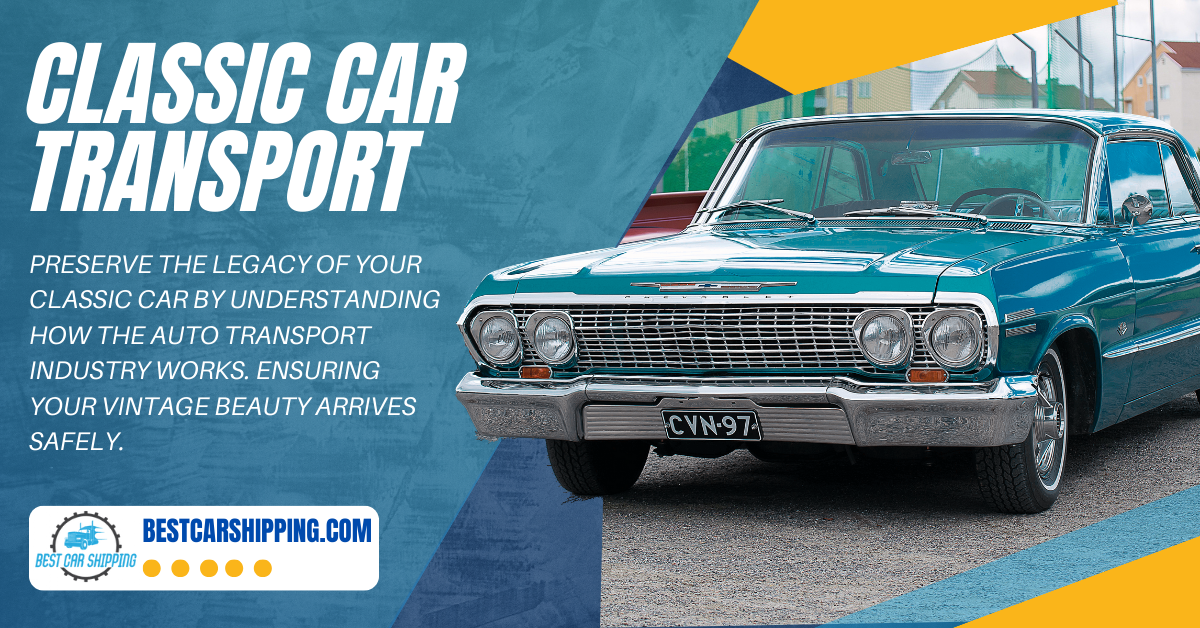
For automotive enthusiasts, few possessions carry the weight of a classic car. Chrome, history, and the spirit of the open road, all in one object. When it is time to move one, handing it to just any transport service will not do. This guide covers what to look for in a classic car transporter and how to prepare the car so it arrives the way it left.
Trust and expertise
Choosing a classic car transporter is not a matter of ticking boxes. You are handing over something irreplaceable to people you have not met. Classic vehicles need careful handling, specialized equipment, and a carrier who has done this before. A misstep can do more than scratch paint.
The three pillars
Reliability
Look for a company with a track record in classic car shipping and a reputation for delivering when estimated, keeping you informed from pickup to delivery, and answering questions with patience. Check that they are licensed and insured and read their customer reviews.
Security
Prioritize enclosed trailers. Ask about climate control, secure tie-down points that anchor the car without stressing the frame, and shock-absorbing suspension that takes the edge off every bump. Ask how drivers are trained to handle vintage vehicles and what happens if something goes wrong.
Expertise
Choose a transporter that understands classic cars specifically: delicate paint, temperamental fuel systems, low clearances. They should use soft straps and gentle loading techniques, and they should keep you informed throughout. A transporter who answers questions readily is a transporter you can trust.
Preparing the car
- Photograph everything. Detailed photos of every panel, with any existing marks, before pickup.
- Fuel. A quarter tank is ideal.
- Battery. Make sure it is charged. An unexpectedly inoperable car means delays and fees.
- Personal belongings. Remove them. They are not covered and they add weight.
- Bill of lading. Review it carefully at pickup and at delivery. It documents the car's condition and is your evidence if anything changes.
Packaging and loading
- Breathable covers. Cotton or canvas, not synthetics that trap moisture.
- Padding. Bumpers, fenders, and hood ornaments should be protected with soft padding and corner guards.
- Watch the loading. Check the car's position in the trailer, the weight distribution, and the tie-down points. Ask about anything that concerns you.
A reputable transporter welcomes your involvement. If they do not, that tells you something.
Transport options
- Enclosed trailers. The standard for classic cars. Full protection from weather, debris, and prying eyes. The right choice for long distances and valuable or delicate finishes.
- Open trailers. Cheaper and fine for shorter moves with less vulnerable cars. Reputable carriers use covers and careful tie-downs to reduce the risk.
- Flatbeds. Right for inoperable or very low vehicles that need a level loading surface.
After delivery
Be present for unloading and inspect the car thoroughly. Note any new damage on the bill of lading before you sign, and tell the shipping company right away. Then give the car a gentle wash to make sure nothing was missed and start it to confirm everything works.
Frequently asked questions
Is door-to-door service available for classic cars?
Yes. Most brokers work with carriers equipped for classic vehicles and can arrange door-to-door pickup and delivery.
My classic car does not run. Can it still be shipped?
Yes. Flatbeds and ramps handle non-running vehicles. Tell the shipping company in advance so they send the right equipment, and expect a higher price than for a running car.
Can I choose a specific pickup or delivery date?
Carriers give estimated windows. Distance, traffic, and season all affect the schedule. Be wary of any company that guarantees dates.
What about long-distance moves?
Ask about climate-controlled trailers for extreme temperatures and humidity, and about dedicated drivers who specialize in long-haul classic transport.
My car has modifications. Do I need to say so?
Yes. Disclose anything non-standard so the transporter can plan the loading and bring the right equipment. Photos and descriptions help.
Are there special services for car shows?
Some transporters offer pre-show detailing, staging help, and secure on-site storage. Ask.
Transporting a classic car does not have to be nerve-wracking. Prioritize reliability, security, and expertise, prepare the car, and choose the right transport method, and it will arrive safe and sound.